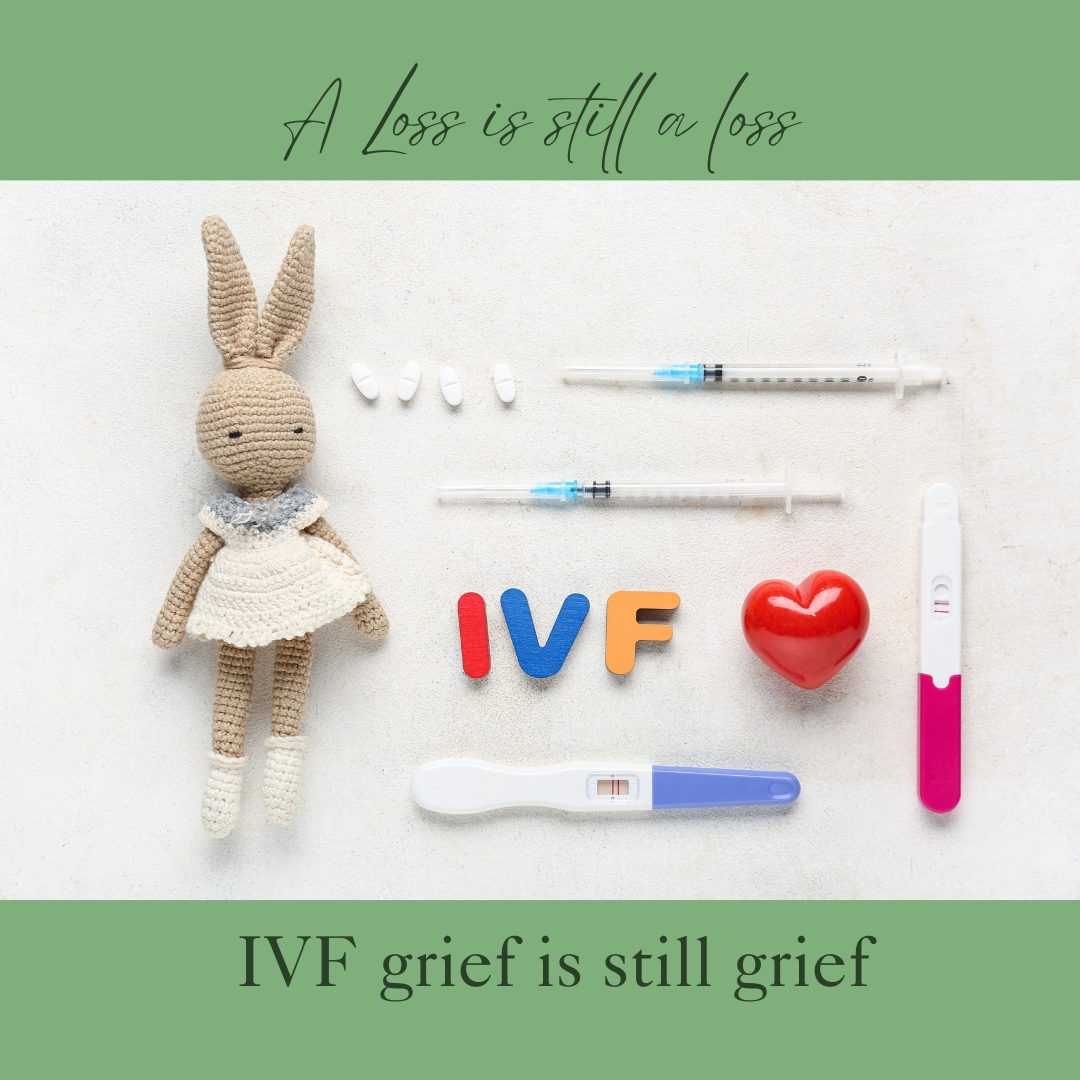
In a society that celebrates birth but rarely acknowledges the journey to get there, those experiencing in vitro fertilization (IVF) failure often grieve in silence. This grief, frequently unrecognized, falls into what researchers call “disenfranchised grief”: losses that aren’t openly acknowledged, socially validated, or publicly mourned.
The Landscape of IVF Grief
Every year, thousands of people undergo IVF treatments in hopes of building their families. For many, the journey is marked by multiple failures, financial strain, physical discomfort, and profound emotional distress. Despite the prevalence of these experiences, IVF grief remains largely invisible in our cultural understanding of loss.
“The grief associated with reproductive loss exists in a strange liminal space,” explains Dr. Joanne Cacciatore, founder of the MISS Foundation and grief researcher. “It’s simultaneously everywhere and nowhere, experienced by many but acknowledged by few.”
Why IVF Grief Gets Overlooked
Several factors contribute to the disenfranchisement of IVF grief:
The private nature of fertility treatments often means that many people undergo IVF without the knowledge of their broader social circle. When failure occurs, there’s no community prepared to offer support.
Unlike other losses that have established rituals and acknowledgments, IVF failures typically lack ceremonial recognition, leaving grievers without structured ways to process their emotions.
Well-meaning but harmful platitudes like “you can always try again,” “at least you know you can get pregnant,” or “maybe it wasn’t meant to be” minimize the profound loss experienced.
The medical community, while technically proficient, sometimes focuses primarily on physical processes rather than emotional support, leaving patients to navigate complex grief without guidance.
The Multiple Layers of Loss
IVF grief is rarely about a single moment of loss. Instead, it encompasses multiple griefs:
- The loss of embryos that represented potential children
- The loss of imagined futures and anticipated milestones
- The loss of control over one’s reproductive journey
- The loss of financial resources and time
- The loss of physical wellbeing during treatment
- The loss of innocence about family building
A Personal Journey Through IVF Grief
Our IVF journey began in 2014, just months before our wedding. Unlike many couples who turn to IVF after struggling with infertility, we pursued it for genetic reasons, hoping to prevent potential illness in our future child. “We were told it ‘Should happen easily.'” These words would prove to be optimistic in a devastating way.
Over the next several years, we underwent four full cycles of egg retrievals and four implantation attempts. None resulted in a pregnancy. The emotional rollercoaster of ups and downs throughout the process was the most challenging part. Seeing other women get pregnant so quickly while we struggled was particularly difficult.
The physical toll was substantial as well. During one treatment, I experienced a dangerous blood leak into my abdomen. This was one of the many risks I was willing to take in my journey.
Perhaps most painful were the moments when medical professionals failed to acknowledge the emotional weight of the process. One of the physicians callously told us that our embryos didn’t survive thawing and I had nothing to implant, he did this while walking by in the waiting room while eating a sandwich. The clinical delivery of news that represented a huge loss demonstrated the disconnect between medical procedure and human experience.
Family reactions added another layer of complexity. While many were supportive, my husband’s parents objected to the process, claiming that we were trying to create a “designer baby” and suggesting we shouldn’t use the family surname if we were going to be fundraising. These reactions exemplify how even close family members can inadvertently disenfranchise reproductive grief.
I didn’t feel my grief was understood or acknowledged at all.
As a funeral director and researcher in end-of-life care, I have a unique perspective on my experience. I knew I had disenfranchised grief, I have processed via meaning-making and handheld jewelry options. My professional understanding of grief provided a framework, but the personal experience remains heavy. I still know I don’t have it “as bad as others.”
When we decided to end the IVF journey, we created our own rituals to acknowledge the losses. We burned our IVF casebook when we decided we were done with IVF. We got rid of many baby items. We cried. We also had a jewelry piece made, and I got a tattoo to memorialize the experience.
This experience has also informed my professional life. Through my company, Pollen, I support families experiencing all types of loss, including a special line of books for children who lose a sibling to stillbirth. My personal grief has become a wellspring of compassion for others experiencing disenfranchised losses.
How do we support families experiencing reproductive grief?
Recognition.
I would like people to recognize that there’s real grief and real hearts attached to the IVF process. Regardless of cost, people have invested more than their money into this process. More than time as well. They’ve invested their hearts.
Finding Support and Acknowledgment
While society may not yet fully recognize IVF grief, several avenues for support exist:
Specialized support groups focusing specifically on fertility challenges can provide validation from others with similar experiences. Organizations like RESOLVE: The National Infertility Association offer both online and in-person support options.
Some fertility clinics now offer integrated psychological support, recognizing that emotional wellbeing is a crucial component of reproductive healthcare.
Ritual creation, whether religious, spiritual, or secular, can help externalize and acknowledge losses that might otherwise remain invisible. These might include memorial plantings, writing ceremonies, or other meaningful acknowledgments.
Moving Forward: How Society Can Better Support IVF Grief
For those who haven’t experienced IVF loss, understanding how to support loved ones through this journey is crucial:
Listen without offering solutions. The grief of IVF failure isn’t a problem to be solved but an experience to be witnessed.
Acknowledge the reality of the loss. Simple phrases like “I’m so sorry for your loss” validate the griever’s experience without minimizing it.
Follow the griever’s lead on language and framing. Some may view their experience as losing children, while others may frame it differently. Honor their perspective.
Recognize that grief doesn’t follow a timeline. Support may be needed long after the medical process has concluded.
Avoid harmful platitudes. Comments like “at least you weren’t pregnant” or “at least it’s early” dismiss the depth of the loss experienced.
Conclusion
As our understanding of grief evolves, so too must our recognition of the many ways loss manifests in human experience. IVF grief, though often invisible, deserves acknowledgment, support, and witness.
For those currently navigating this difficult path, one IVF survivor offers this message: “You’re not alone. There’s a whole network of women out there, and whatever decisions you make are valid, and your grief is valid.”
By bringing these experiences into the light, we not only support those currently walking this path but create a more compassionate society for all who will encounter reproductive grief in the future. Disenfranchised grief is real and valid grief, and it hurts just as much as visible grief for the more usual losses. It’s time we recognize that truth.